When to Plant a Garden: Use Frost Forecasts, Not Just a Hardiness Zone
Use USDA plant hardiness zones for perennial context and local NWS frost or freeze forecasts for near-term planting decisions. Learn what each source can and cannot tell you.
Weather changes by place and time. This guide is general information, not a safety rating, medical advice, or an official alert. Follow local authorities and the linked agencies for current conditions.
A hardiness zone is not a planting-date forecast
The USDA Plant Hardiness Zone Map helps gardeners understand the average annual extreme minimum winter temperature for a location. It is a long-term climate reference used mainly for perennial plant suitability; it does not predict this week's frost, the last spring freeze, summer heat, rainfall, or the conditions in a specific yard. A garden center label or zone map can help narrow choices, but it cannot tell you whether seedlings are ready to go outside this weekend.
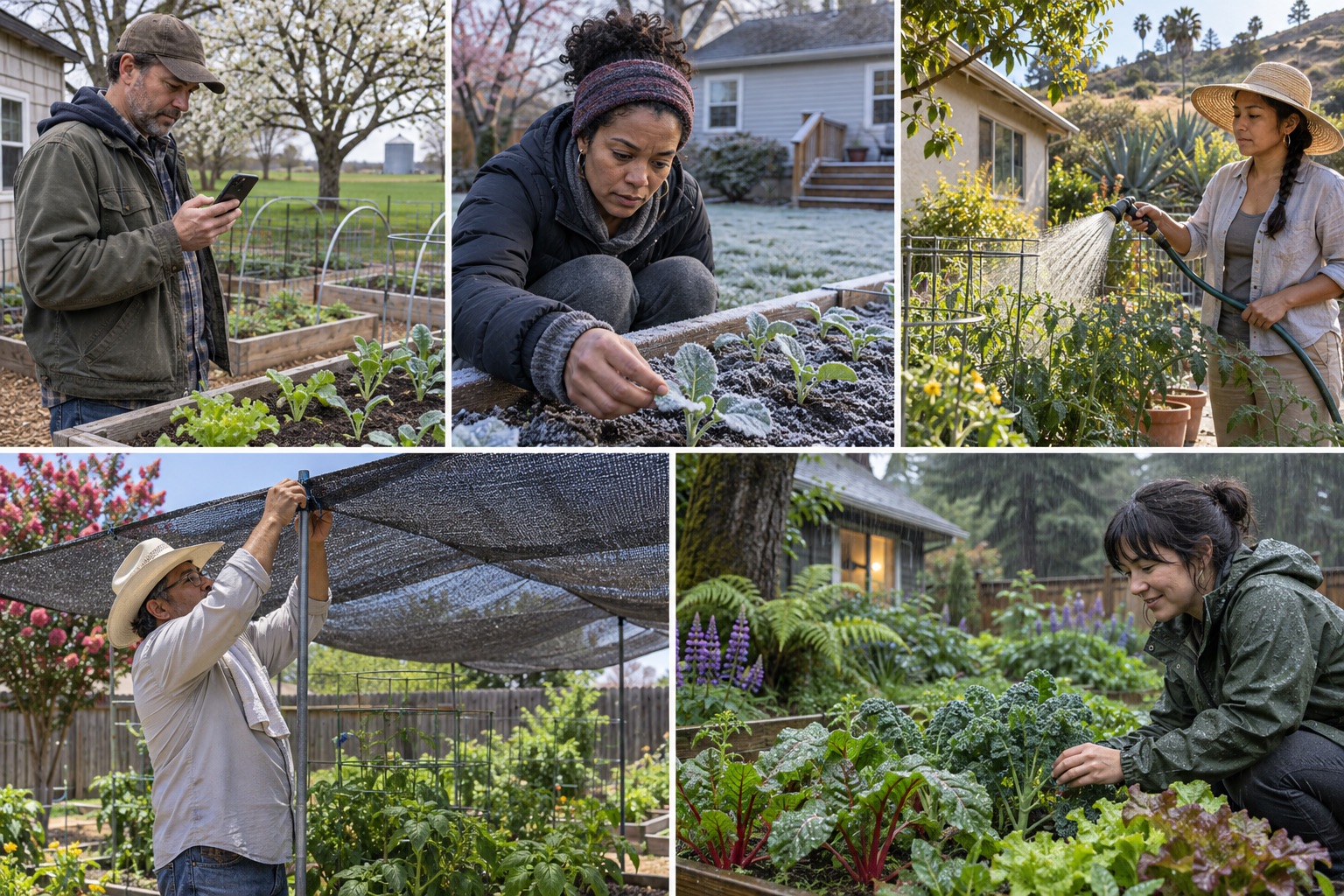
For near-term decisions, use the National Weather Service forecast and local frost or freeze alerts, then consider your garden's microclimate. A low spot may collect colder air; a wall, slope, urban block, or tree canopy can change exposure. The forecast point may be several miles from your garden. Read the time period and expected low, and use local extension or horticulture guidance for the plant species you are growing rather than treating one number as a universal planting rule.
Know the difference between frost and freeze alerts
A frost advisory and a freeze warning are official NWS products with specific local criteria and meanings. The NWS explains that freeze warnings generally concern temperatures expected to reach freezing for a period that could damage crops, while frost advisories warn of frost conditions that may threaten sensitive vegetation. Criteria and season practices can vary by region. Read the local alert details and follow your county extension or agricultural authority for advice tailored to crops and growing conditions.
A forecast low is not a guarantee that every plant in your yard will experience the same temperature. Cold air, cloud cover, wind, soil conditions, and shelter can vary across short distances. If a frost or freeze alert is issued, check the plant's instructions and trusted local guidance about covering or moving containers. Avoid relying on a hardiness-zone lookup or a weather app's daily icon to decide whether tender plants can be left exposed overnight.
Use the hourly forecast when timing outdoor work
Hourly forecasts can help you choose a comfortable time for digging, transplanting, pruning, or carrying supplies. Check precipitation, wind, temperature, and active alerts for the hours you plan to work. A windy afternoon may make lightweight covers difficult to manage; rain may make a slope or path slippery. Conditions at a neighborhood garden can differ from the city forecast, so inspect the site and adjust your work to the soil and local conditions.
Do not treat the forecast as a guarantee that soil is ready or that a plant can tolerate a certain weather pattern. Soil temperature, drainage, sun exposure, plant variety, and acclimation matter. Follow seed-packet directions, local extension recommendations, and nursery instructions for the crop. A forecast helps you choose timing; horticultural sources provide plant-specific advice. If a warning is active, postpone nonessential work and follow local authorities.
Rain can help, but it does not replace watering decisions
A rain chance describes the likelihood of measurable precipitation at a forecast point or area during a period; it does not say exactly how much water will reach your garden. A brief shower may wet leaves but leave root zones dry, while heavy rain can cause runoff or waterlogging. Check recent rainfall, soil moisture, drainage, and local water restrictions. Use a rain gauge or direct observation when available instead of assuming a forecast percentage equals irrigation volume.
Watering needs depend on plant type, soil, container size, sun, wind, and growth stage. Follow local cooperative extension guidance for irrigation and avoid watering in a way that violates drought restrictions. During a heat advisory, plan outdoor work for cooler hours and take breaks. The NWS heat index is designed for people in shade, so direct sun and physical work in a garden can feel hotter than the number alone suggests.
Plan around heat, wind, and poor air quality
Garden work can involve sustained outdoor exertion. Check heat alerts and consider shifting heavy work to a cooler time or splitting it into shorter tasks. Bring water and use shade where possible; follow public health guidance during extreme heat. Wind can dry soil, spread dust, and make some tasks more difficult. During wildfire smoke, check AirNow and local health recommendations before spending an extended time outdoors; a low-rain forecast does not mean the air is suitable for strenuous yard work.
Use personal protective equipment and follow product labels for fertilizers, pesticides, tools, and powered equipment. Keep children and pets away from treated areas as the product instructions direct. Weather can affect drift and drying, but each product has its own rules. Ask a certified local horticulture or extension professional when uncertain about a plant or treatment. This guide helps with forecast timing and does not replace label instructions, agricultural advice, or medical guidance.
Official sources and further reading
- USDA Plant Hardiness Zone Map
- NWS Freeze Warnings and Frost Advisories
- NWS Heat Index
- AirNow: When Smoke Is in the Air
Source pages can change. Check the issuing agency for current recommendations and local instructions.
Choose a U.S. ZIP code, activity, and day to compare hourly weather windows.
Open the outdoor weather planner